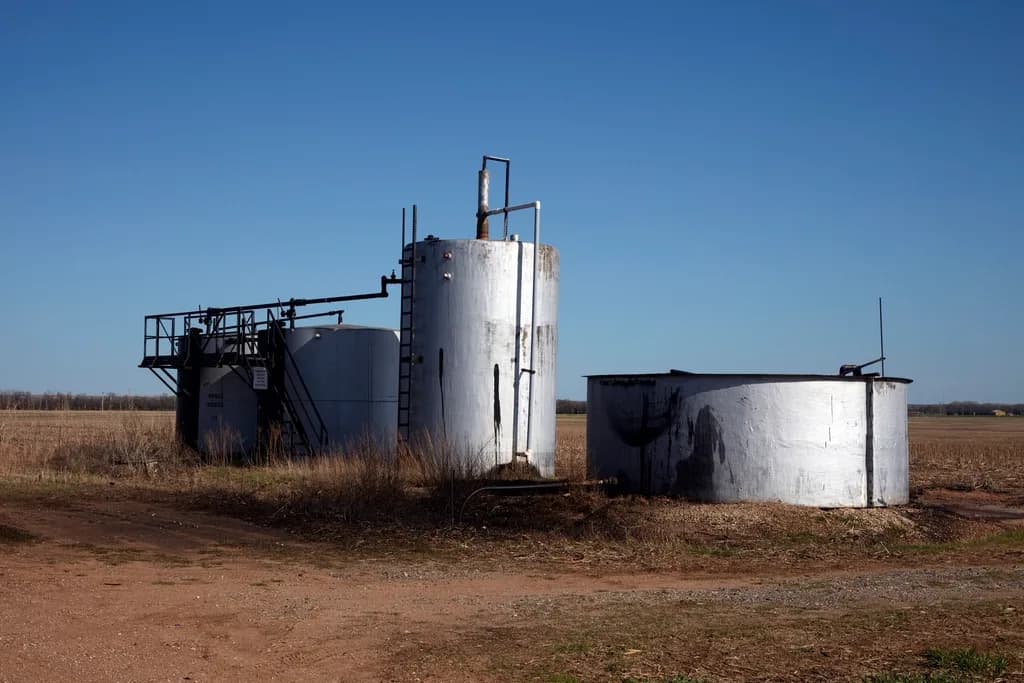
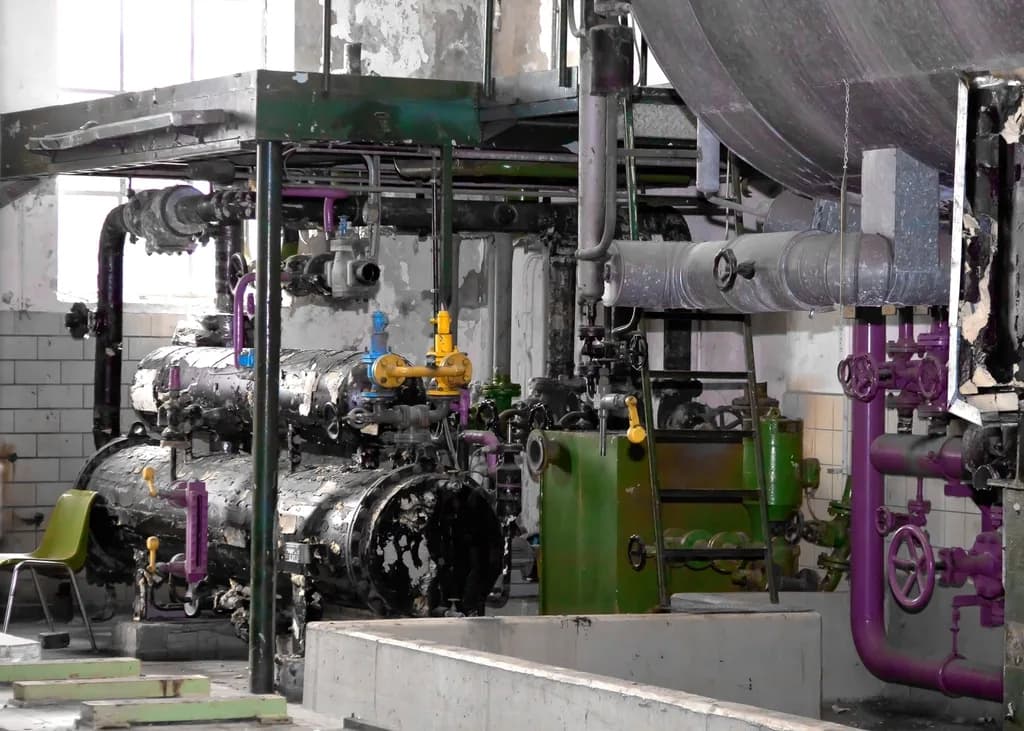
Furnace oil (FO) is a heavy residual fuel left after lighter products are distilled from crude oil. It is widely used in industry because it delivers a lot of heat per litre and is easy to store and handle with the right equipment.
Where furnace oil is used
- Boilers and thermic fluid heaters
- Furnaces in steel, glass and ceramics plants
- Hot-air generators and industrial dryers
Specifications that matter
- Viscosity — decides how much heating the oil needs before it reaches the burner.
- Calorific value — the heat you get per kilogram of fuel.
- Sulphur content — affects emissions and corrosion in flue-gas paths.
- Flash point — important for safe storage and handling.
- Water and sediment — should be as low as possible for clean combustion.
Furnace oil vs other heavy fuels
LSHS (low sulphur heavy stock) is a cleaner-burning alternative with lower sulphur, while light diesel oil (LDO) is easier to handle but usually costs more. The right choice depends on your burner, emission norms and running costs.
Not sure which grade suits your plant? Tell us about your equipment and we will recommend a fuel.